
Exceptional Objects

Wereldmuseum Leiden brings together stories from all over the world. The collection consists of thousands of objects from different parts of the globe. In the permanent exhibitions, you can discover how people around the world live and how they are shaped by the world around them — past and present.
On this page, a number of highlights from the collection are featured. These are special objects that stand out because of their history, craftsmanship, or significance, and they offer an impression of the many things to see in the museum.
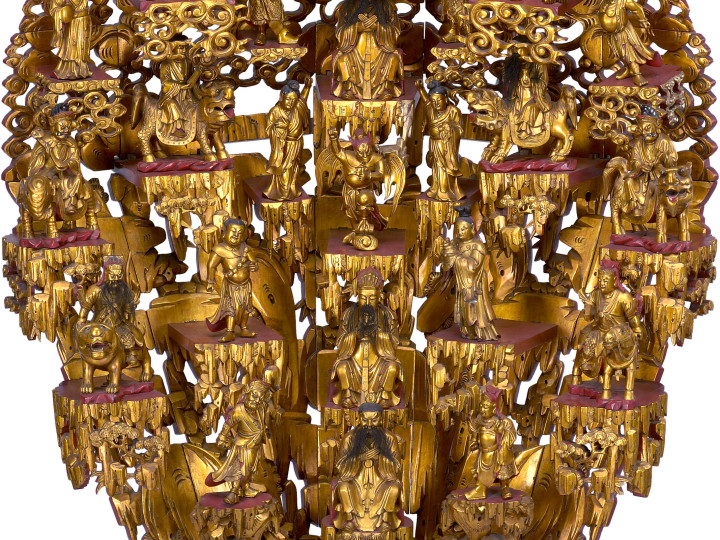
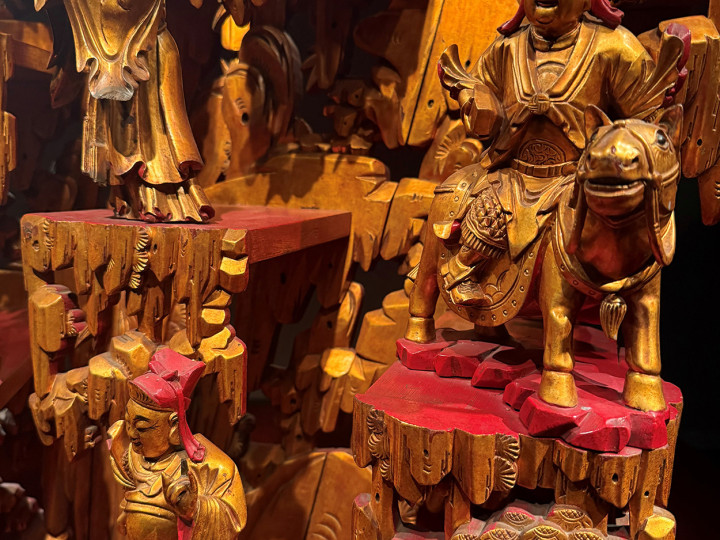
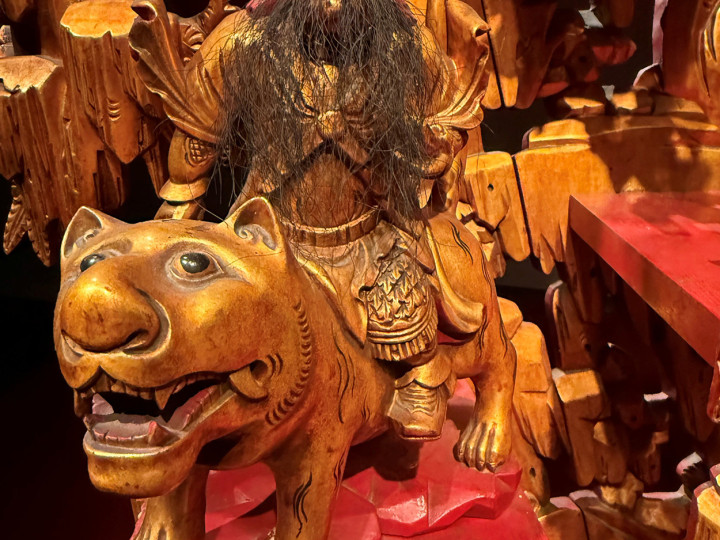
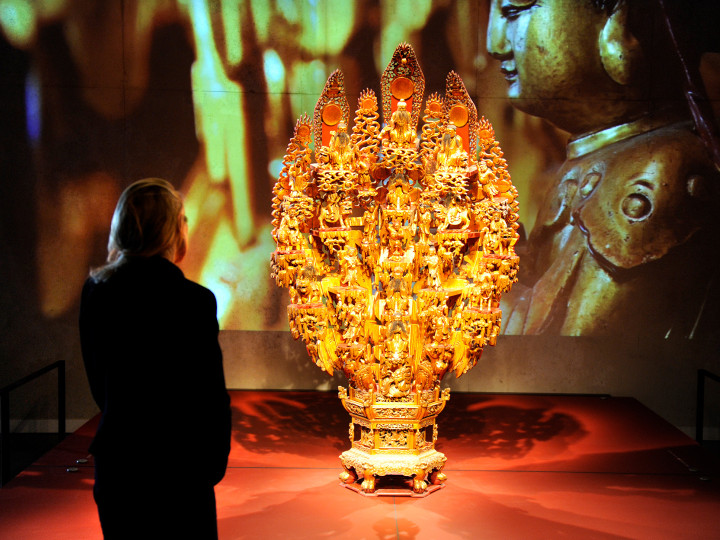
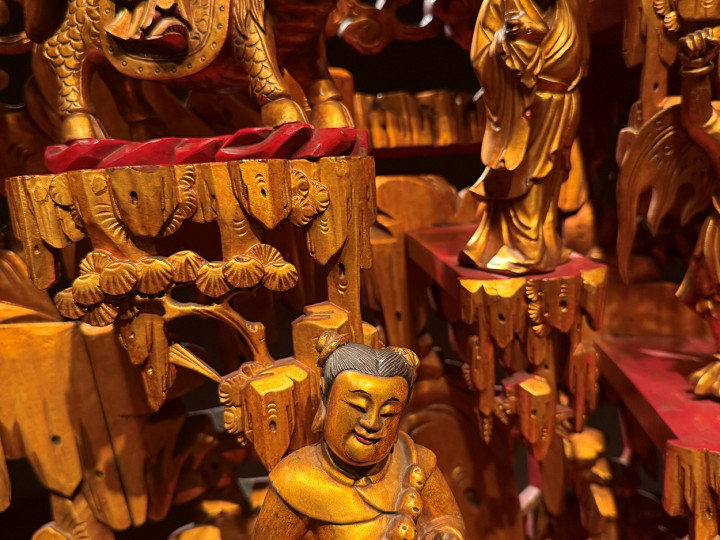
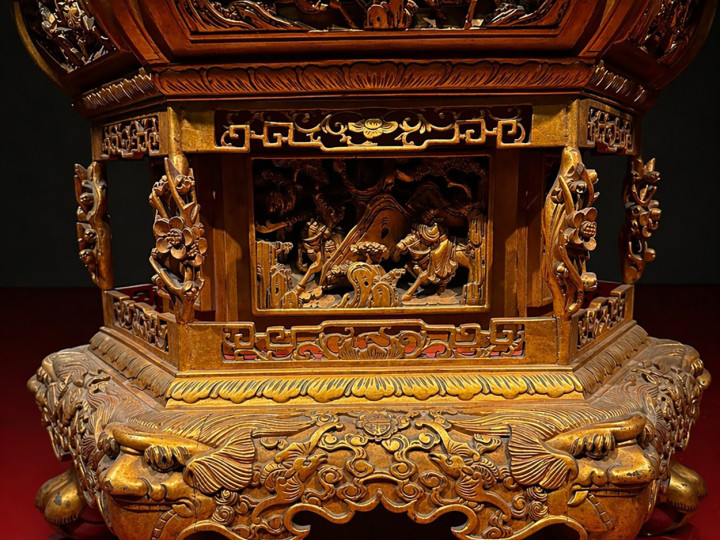
This impressive group of figures, known in Chinese as xianshan, “Mountain of Immortals,” or xuhuang, “Emperor of the Void”, is probably the only one of its kind in Europe. In the past, xuhuang were commonly found in Taoist temples. Here, each of the figures is placed on its own mountain ledge, and together they appear to rise from a base surrounded by balustrades. The sculpture is made entirely of wood and finished with lacquer and gilding.
It is likely that the sculpture once stood in a temple somewhere in one of the southeastern coastal provinces of Zhejiang, Fujian, or Guangdong. Traditionally, this was the region where most contact took place between Europeans — including the Dutch — and Chinese people. It was also in this region that the first Western ethnographers, working together with Chinese informants, began studying Chinese religions and the practices associated with them.
On view in the China Gallery, inventory number RV-5970-1
View this object in detail on our collection website.
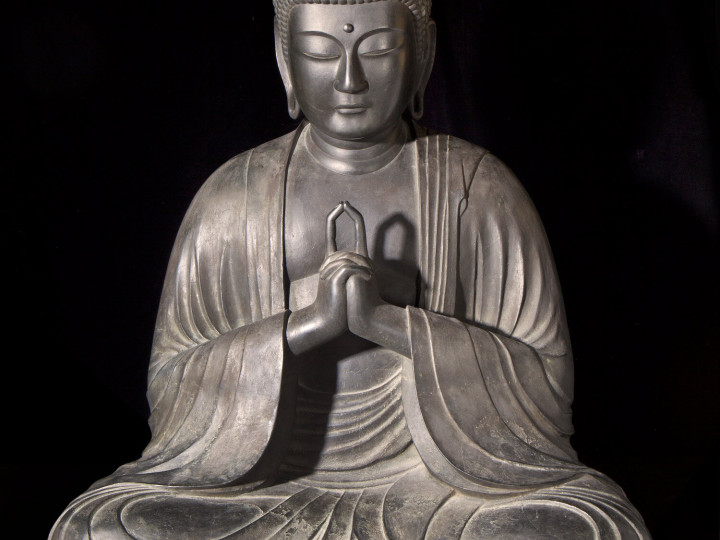
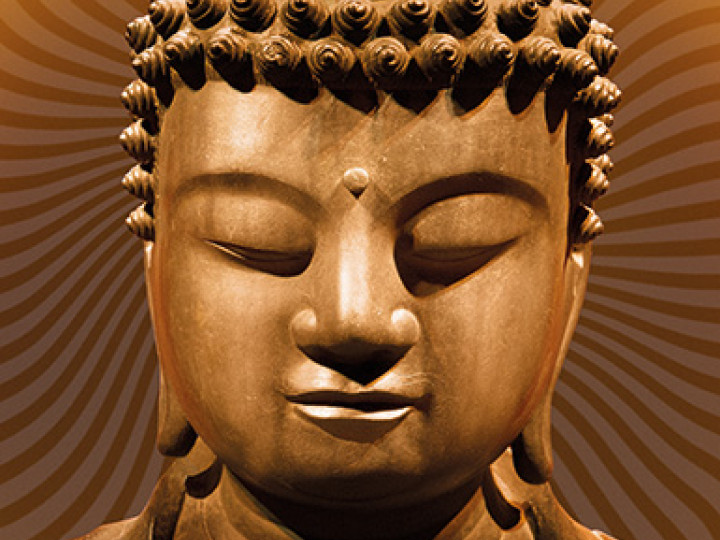
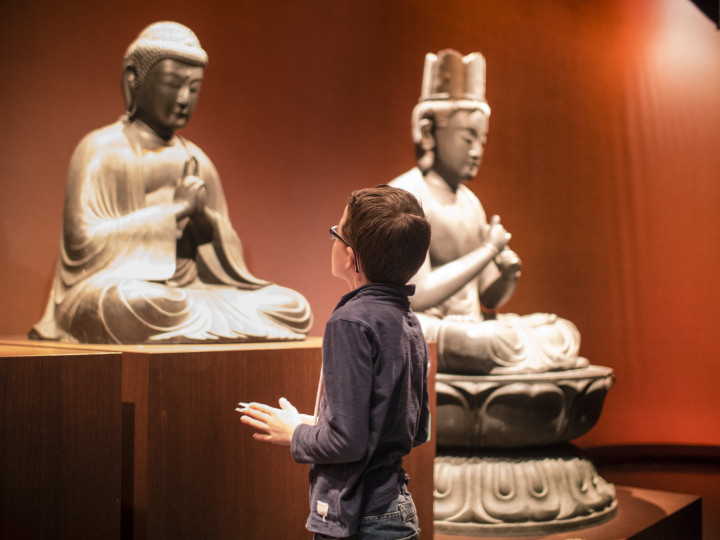
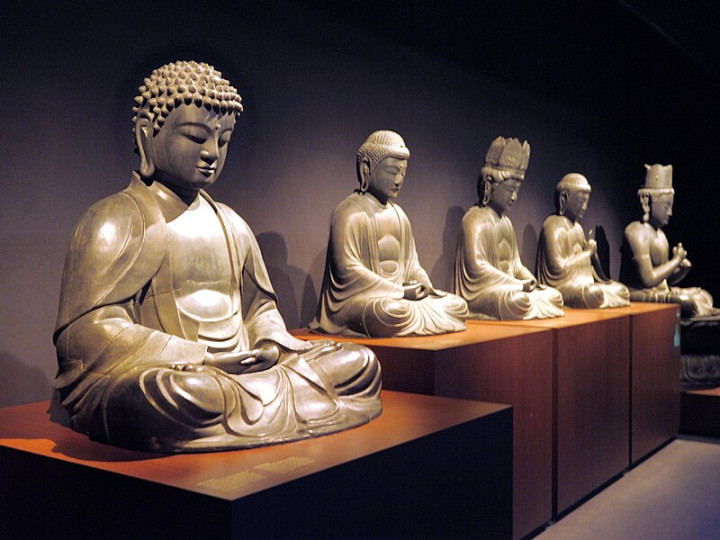
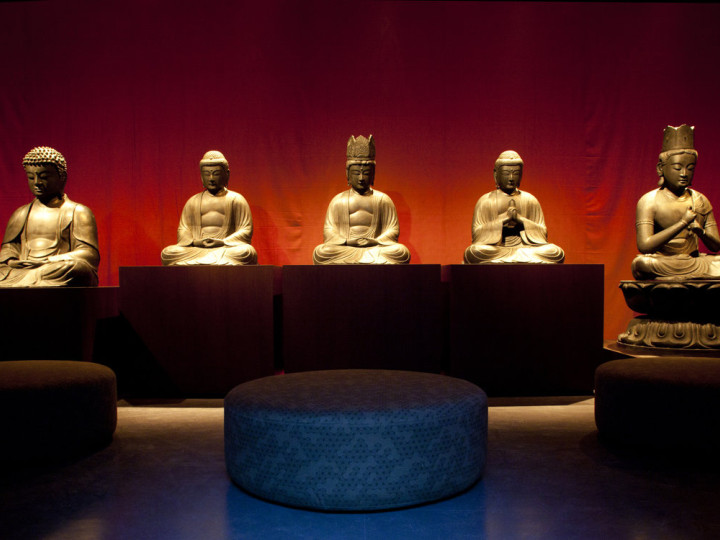
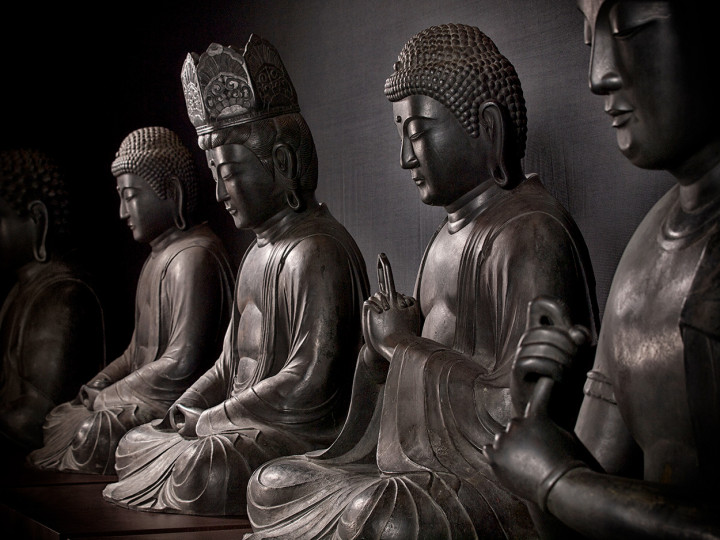
This group of Japanese Buddha statues from the 17th and 18th centuries shows different manifestations of Buddha, including Amida Nyorai, the Buddha of the afterlife; Yakushi Nyorai, the Medicine Buddha; and Dainichi Nyorai, the Sun Buddha. Two of the statues represent Ichiji Kinrin, a cosmic manifestation of Dainichi. Their hand gestures, or mudras, express specific meanings such as meditation, healing, and wisdom.
The statues were originally part of temples in Japan, where they served as a focus for ritual and devotion. Some were cast in 1648 for the mausoleum of the Tokugawa shoguns at the Zōjōji Temple in Edo, present-day Tokyo. During the political and religious changes of the 19th century, these and other temple objects entered the international art market. The Amida Buddha was purchased in The Hague in 1883; the other statues followed that same year through an exhibition in Amsterdam.
The group has long been one of the museum’s public favourites. Discover these remarkable statues in the Buddha Gallery.
On view in the Buddha Gallery, part of the Japan/Korea Gallery
Inventory numbers: MV 417-81; RV-418-1; RV-418-4; RV-418-5; RV-418-2.
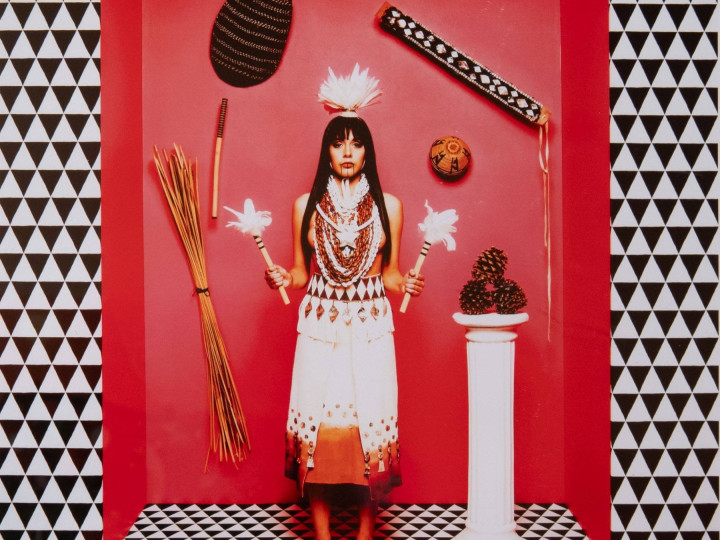
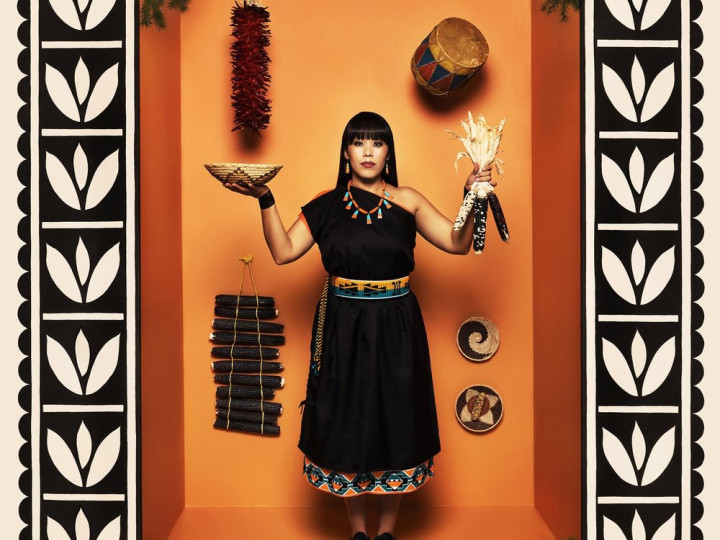
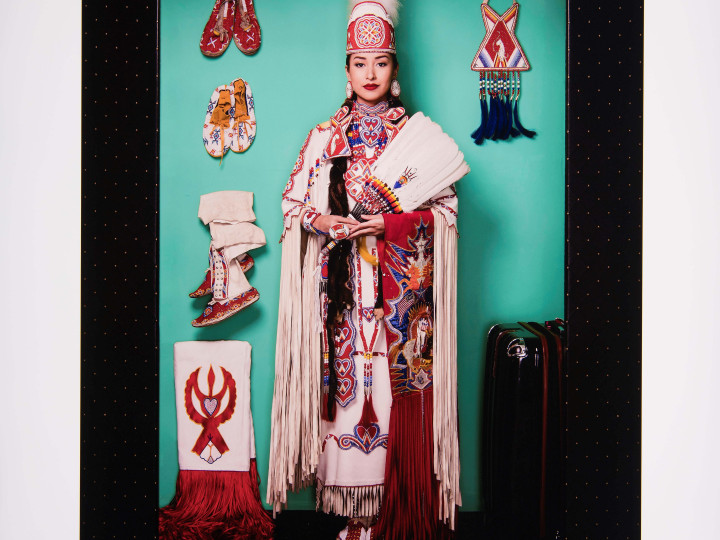
This photo series was created by Cara Romero, an Indigenous American photographer of Chemehuevi descent from California. Romero made portraits of friends and family members who wish to honour the value and beauty of their grandparents’ culture. In the photograph of her family member Julia Romero, Julia is surrounded by designs that hold emotional value for her and also refer to her Pueblo heritage, such as her grandmother’s moon and blue corn motifs, and her uncles’ drum and ceramics. The photographer depicts her as an action figure, in an attempt to blend pop culture and tradition and to create a powerful, bold image of Indigenous women.
On view in the North America Gallery, inventory number 7189-1.
The museum holds 25,000 travel passes belonging to Indonesian pilgrims who travelled to Mecca between 1937 and 1939. In the first half of the 20th century, every pilgrim was required, upon arrival in Jeddah, Saudi Arabia, to show their travel pass at the Dutch consulate. In this way, the colonial administration could keep precise records of how many pilgrims undertook the journey and which places in Indonesia they came from. Each travel pass contained a passport photo, showing how photography was also used as an instrument of control and surveillance.
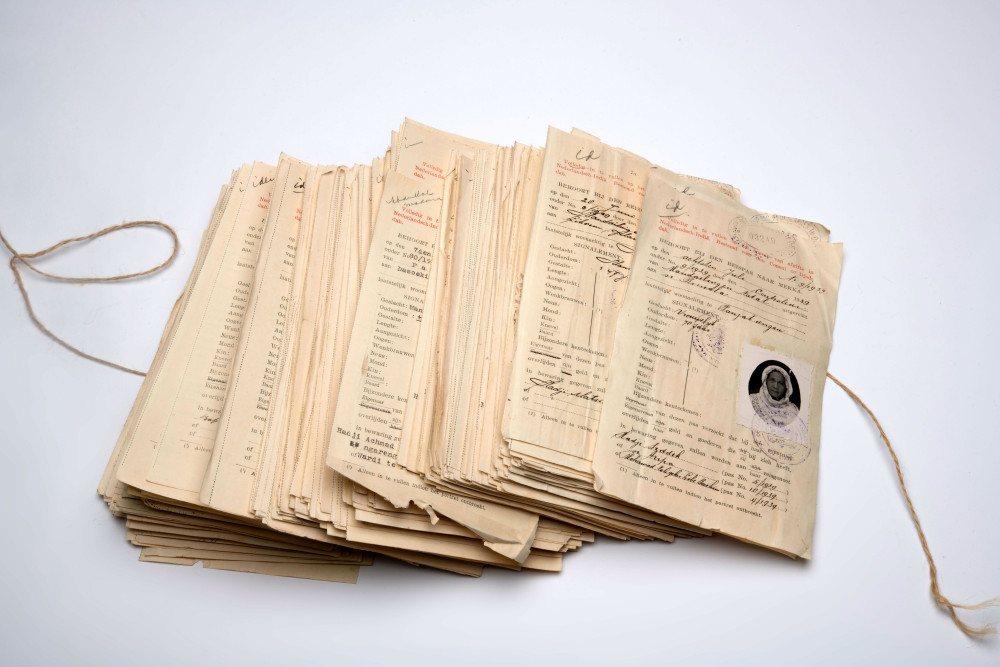
These travel passes are shown alongside several portraits that Christiaan Snouck Hurgronje, then consul in Jeddah and a Dutch Orientalist, took himself of some of these pilgrims in 1884.
On view in the Asia Gallery, registration number RV-A258
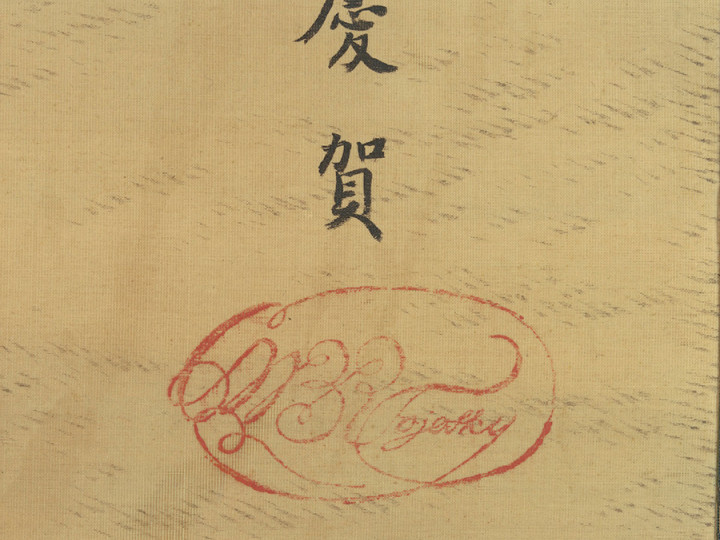
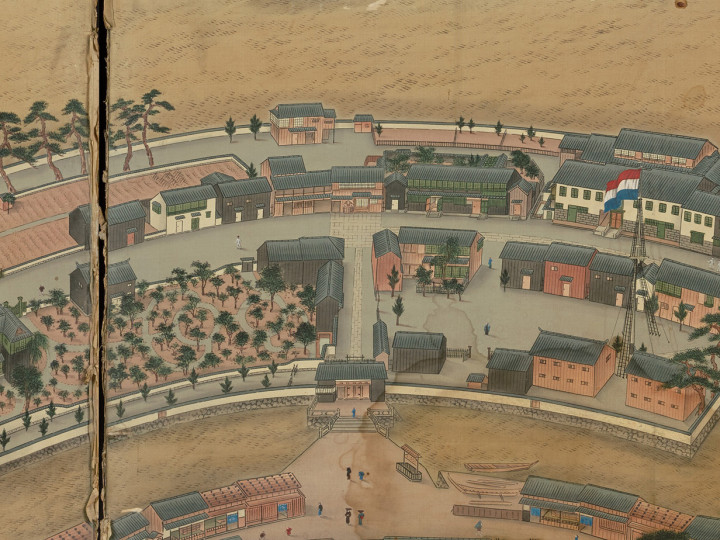
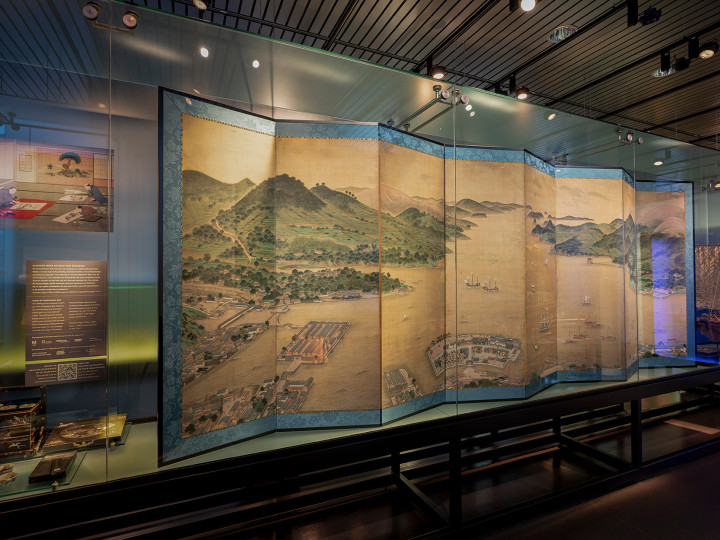
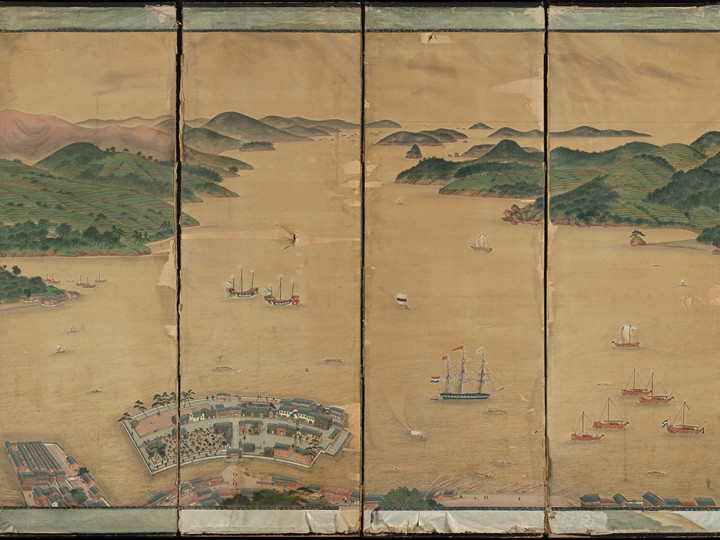
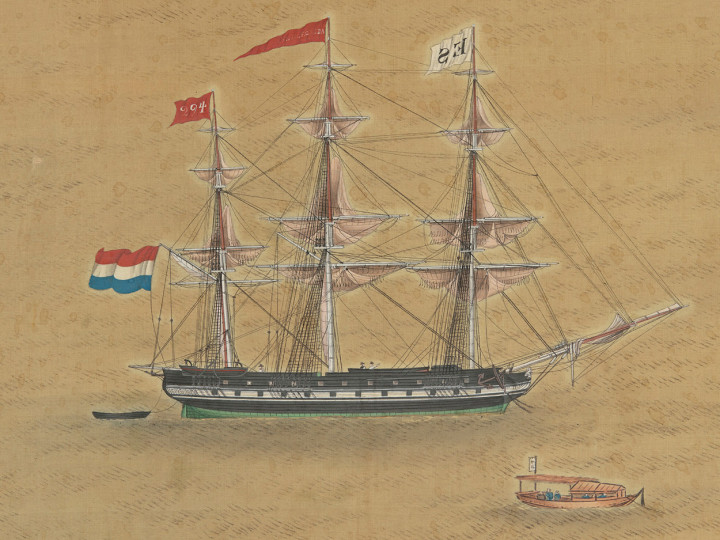
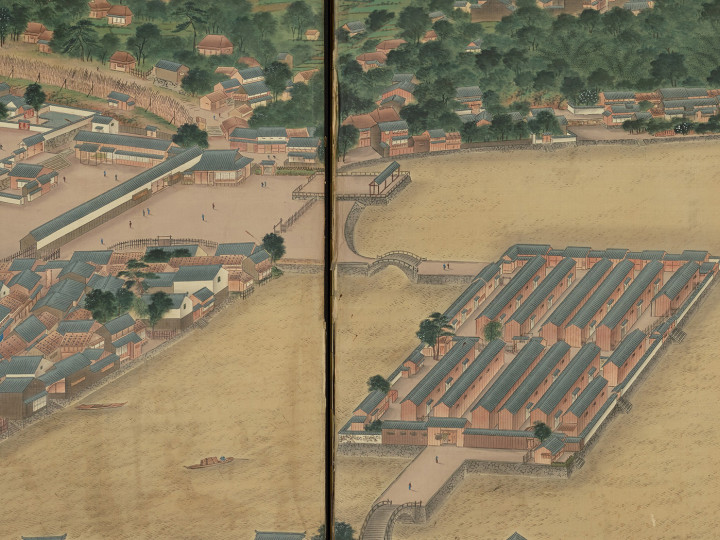
This unique folding screen, dating from around 1836, by the Japanese artist Kawahara Keiga shows the bay of Nagasaki and the Dutch trading post of Deshima. The scene is depicted from a bird’s-eye perspective and consists of eight panels, painted on silk with ink and pigments.
Several ships can be seen on the screen, including the Dutch ship Marij en Hillegonda, which sailed to Japan only once, in 1836. The Chinese trading post and the Tōjin yashiki district are also depicted. The perspective has been adjusted so that Deshima appears more prominently than it did in reality. This suggests that the folding screen was probably commissioned by a wealthy resident of Deshima.
Kawahara Keiga was known for his detailed way of working and is sometimes called the “photographer without a camera.” Through his access to Deshima, he was able to document Japanese-Dutch relations with great accuracy, combining Japanese painting traditions with European techniques such as perspective.
As far as is known, this folding screen is the only example Keiga made and is a key work within the museum’s Japan collection. More information about the folding screen can be discovered through the Deshima Experience, both in the museum and online.
On view in the Japan/Korea Gallery, inventory number 7141-1.


Wereldmuseum Leiden has a long history and a collection of objects from all over


