19 January 2026
The Research Center for Material Culture in collaboration with Professors Willem de Rooij, Karwan Fatah-Black, and the Centraal Museum Utrecht will be hosting a symposium on January 19 in Wereldmuseum Leiden. The event is preceded by two events at Centraal Museum, Utrecht on January 17 (see the bottom of this page for more details). The symposium at Wereldmuseum Leiden will explore questions and themes surrounding the exhibition Valkenburg — Willem de Rooij.
What does it mean to inherit the wealth amassed by making people into property? Dutch identity and self-conception have, for centuries, been founded on unacknowledged colonial exploitation and slavery. Visual culture played a key role in engraining the values underlaying the colonial project. In the present moment, following a period of apologies, Dutch civil society more readily acknowledges the cruelty and extractiveness that mark the colonial past. Similarly, in what Ciraj Rassool calls the “restitutionary moment”, those institutions that are charged with “caring” for colonial art and material culture are more actively engaged in the questions of return and repair. But what does this inheritance, and the role it played in shaping visual culture through the centuries, demand from these institutions beyond “mere” acknowledgement? How do the disciplines that were complicit in rendering colonial oppression as natural—even desirable—for the opulent fruits it yielded, need to shift their foundational ideas? Which strategies are being mobilised to make visible erased worlds, to reframe what life looked like under colonialism and slavery and hold the present to account for its unjust roots?
Willem de Rooij’s installation Valkenburg (on display until 25 January) at Centraal Museum Utrecht dissects how eighteenth Century painting promoted colonial values. It is the culmination of many years of work on the Dutch artist Dirk Valkenburg, and focuses on the entanglements of seventeenth century Dutch art with colonialism and slavery. On January 19, as part of the series of events around the exhibition, the RCMC (the research institution of the Wereldmuseum) in collaboration with De Rooij, Karwan Fatah-Black and the Centraal Museum in Utrecht, is organising a symposium in which artists, scholars and workers in memory institutions will pursue conversations on the how artistic practice, museum operations and art history knowledge work are responding to these challenges, and what remains to be grappled with. We want to start by looking closely at the paintings of Dirk Valkenburg, what they make visible and what they obscure, as well as the implications of this period of Dutch art for the discipline of Art History and museum collections in the face of demands for restitution, decolonization and repair.
Please note that the programme will be in English
| 09:30 – 10:00 | Registration and entry with coffee and tea, Grote Zaal |
| 10:00 – 10:15 | Welcome: Wayne Modest and Willem de Rooij, Grote Zaal |
| 10:15 – 12:00 | Session 1: From and through the visual—Artistic approaches to colonial heritage, with Will Fredo Furtado and Dicky Takndare, Grote Zaal |
| 12:00 – 13:00 | Lunch, Museum Café |
| 13:00 – 14:45 | Session 2: A conversation with Caroline Fowler, Willem de Rooij and Karwan Fatah-Black, Grote Zaal |
| 14:45 – 15:00 | Coffee/tea, Grote Zaal |
| 15:00 – 16:45 | Session 3: Implications for museums and collections, with Jesse de Abreau, Imara Limon and Julie Hartkamp, Grote Zaal |
| 16:45 – 17:00 | Final words, Grote Zaal |
| 17:00 – 18:00 | Drinks and Snacks, Museum café lounge |
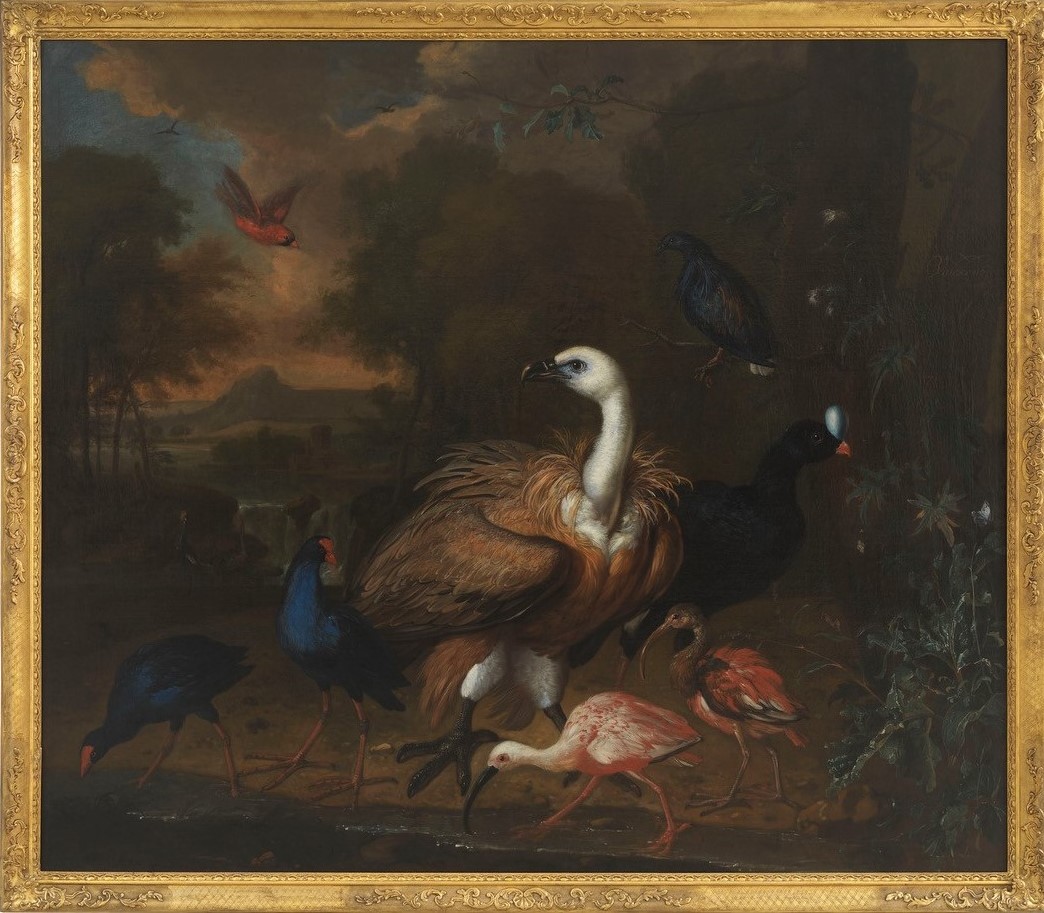
Since the early 1990s, Willem de Rooij (1969) has created temporary installations in that explore the politics of representation through appropriation and collaboration. In 2005, he represented the Netherlands at the Venice Biennale and has since exhibited in leading museums worldwide. A distinctive feature of his practice is the reuse and rearrangement of existing images and objects, often based on in-depth art-historical and cultural research. In doing so, he creates new meanings between diverse visual elements. Recent exhibitions include King Vulture (Akademie der Künste, Vienna) and Pierre Verger in Suriname (Portikus, Frankfurt). De Rooij teaches in Frankfurt, Berlin and Amsterdam and lectures internationally.
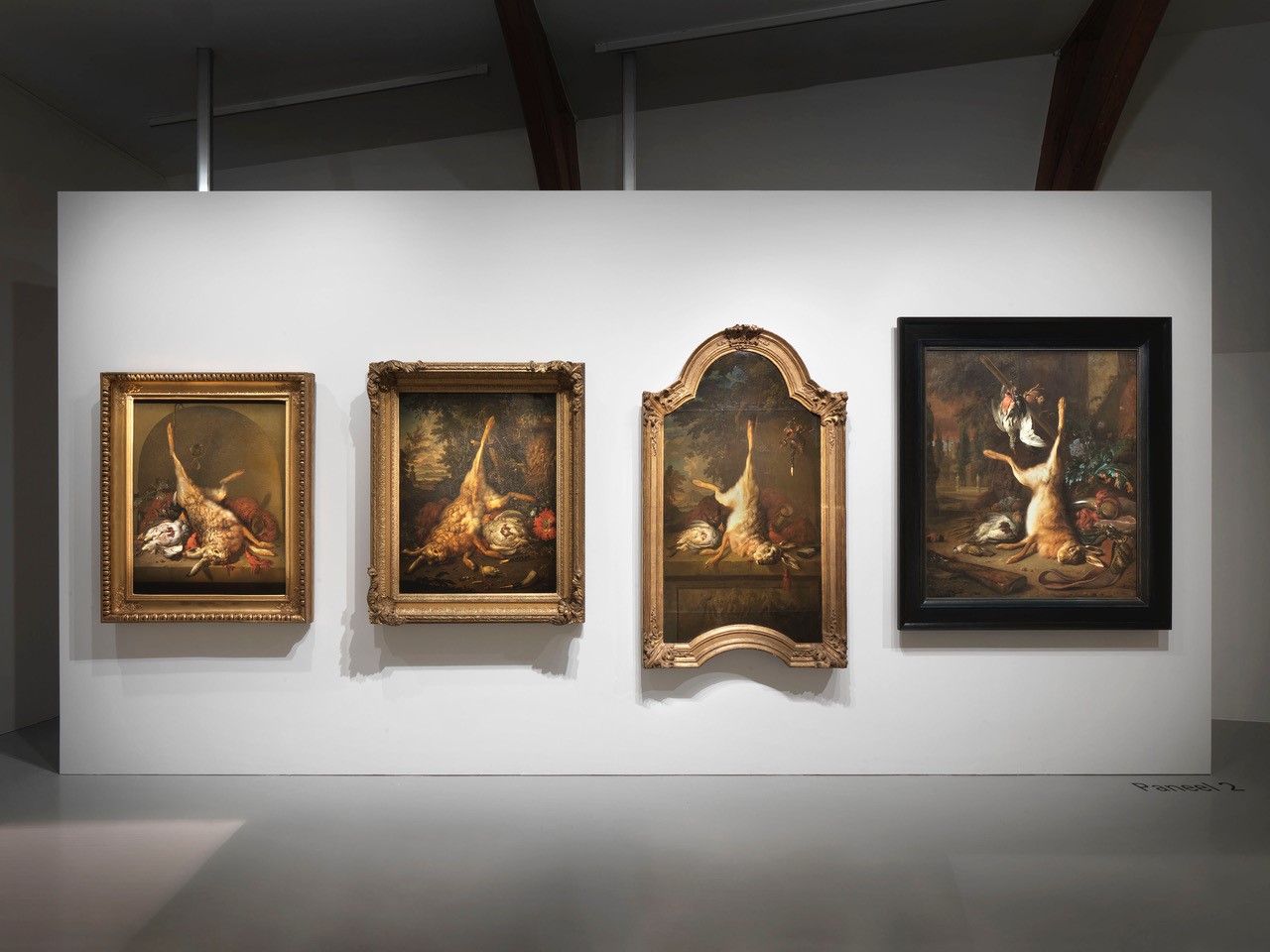
Dirk Valkenburg (1675-1721) was one of the first Europeans to depict Indigenous and enslaved people on Surinamese plantations, while also painting hunting still lifes and portraits of Dutch elites. The breadth of his oeuvre makes it particularly relevant for research into colonial image production and the “white gaze”. In this installation, De Rooij displays 30 works in idiosyncratic combinations, inviting reflection on how these 18th-century Dutch elites used art to support and legitimise colonial ideology.
Please note that the programme will be in Dutch
Morning – Event 1: Dialogue Session De Meervoudige Blik | |
|---|---|
| 10:30 - 11:00 | Guest reception |
| 11:00 – 12:00 | Introduction in the Garden Room + visit to Valkenburg exhibition |
| 12:00 – 12:30 | Light lunchbites |
| 12:30 – 13:30 | Dialogue session |
| 13:30 – 14:00 | Informal wrap-up |
Afternoon – Event 2: Seminar After Valkenburg | |
|---|---|
| 15:00 – 15:45 | Optional visit to Valkenburg exhibition (free with event ticket) |
| 15:45 – 16:00 | Guest arrival |
| 16.00 – 16.15 | Introduction by Bart Rutten - Artistic Director Centraal Museum |
| 16:15 – 16:45 | Lecture by writer Karin Amatmoekrim |
| 16:45 – 17:15 | Dialogue with writer Karin Amatmoekrim, historian Karwan Fatah Black and artist Willem de Rooij |
| 17:15 – 18:00 | Wrap-up conversation over drinks |
Please register for these events with the Centraal Museum: https://www.centraalmuseum.nl/nl/nu-te-zien/agenda/dialoogsessie-de-meervoudige-blik
We are committed to making this event accessible to everyone. If you require specific accommodations to participate fully, please reach out to us at rcmc@wereldmuseum.nl
Provisions for people with reduced mobility
Quiet rooms
There are two quiet spaces which can be used by conference attendees to take a break at any point. Directly opposite the conference room on the first floor, the Buddha Room offers a tranquil space. On the ground floor, at the end of the museum café, the Museum Lounge can be used to take a break. We cannot guarantee complete silence due to other visitors in the museum.