22 May 2026

Food is not neutral. In Palestine and across the diaspora, every meal carries memory: of erased villages, uprooted land, and recipes carried across borders that can no longer be crossed. To eat together is not a simple pleasure, but an insistence on presence, a refusal to be erased.
A Palestinian table becomes a site of spatial justice and fragmented geographies. Erasure is countered through everyday acts of gathering, cooking, and sharing.
Where Wereldmuseum presents the world in all its complexity, Imagine Peace poses the question that emerges from it: How do we live as a community — and how do we connect our worlds with one another?
The relationship between food and memory is shaped by displacement and diaspora. Palestinian food culture has been formed through ongoing movement and loss. From refugee camps to cities across the world, it carries an irreplaceable sense of place: specific land, light, and seasons remembered and reimagined.
Yet that land has been profoundly damaged. Harvests are blocked, water is restricted and trees uprooted. And still, people plant again. They cook from what remains, sustaining something no occupation has been able to extinguish.
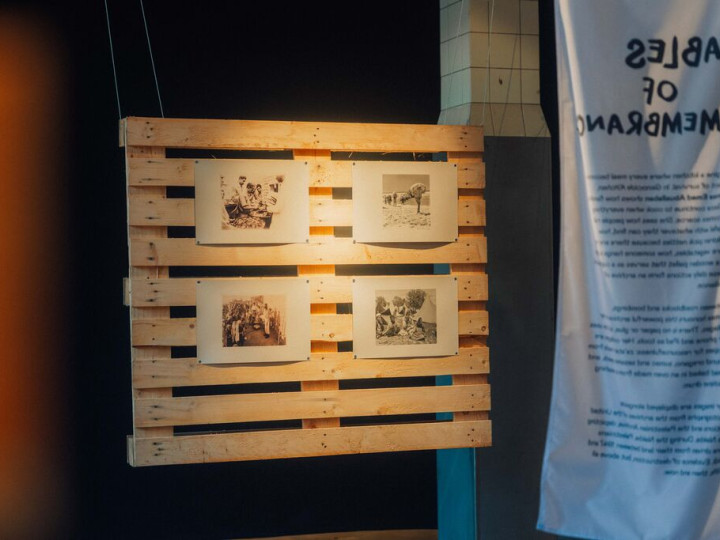
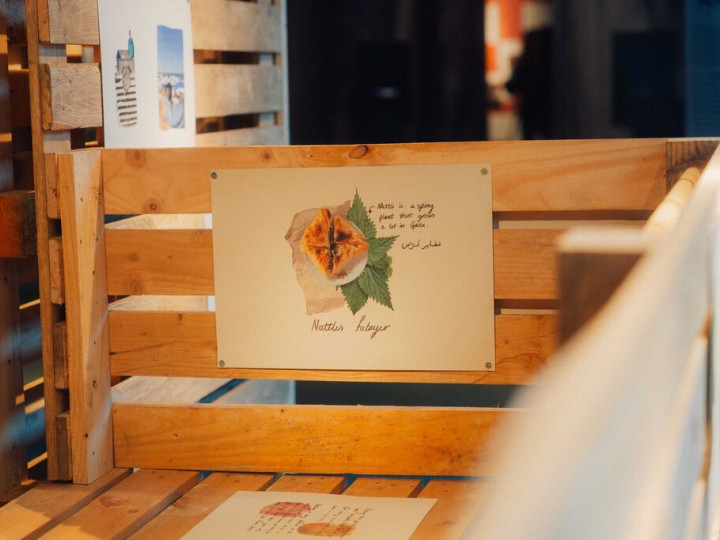
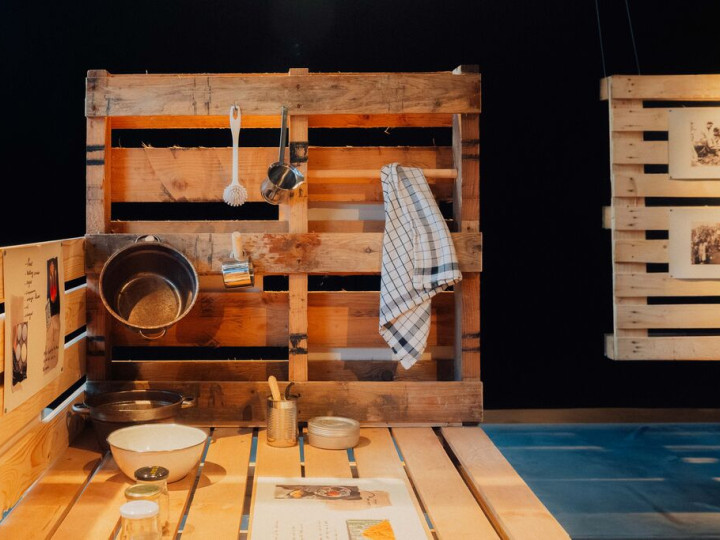
It is within that context that the conference of Home & A Palestinian Table takes place, coinciding with the opening of the installation A Palestinian Table. Convened in partnership with community members across the world, the conference examines how built environments, landscapes, and geographies are weaponized, and how artistic and investigative practices name what has been done.
The installation and the conference share a methodology: tracing harm through its material evidence and insisting that what has been destroyed is witnessed.
Imagine Peace is the program label of Wereldmuseum in which peace is explored as an active, just, and collective practice. With Imagine Peace Wereldmuseum aims to illustrate that peace begins with justice, and that imagination is a necessary step towards change.
Through community, art, and cultural heritage, Imagine Peace brings people together around current and urgent geopolitical issues such as war, apartheid, inequality, loss, and recovery.
11:00 – 11:45 Roots — Identity, Memory & Displacement
On identity and memory when the place of origin has become inaccessible.
Speakers: Zoya Miari – Faisal Mosheer
11:45 – 12:30 Wound — Land, Violence & Hunger
Perspectives on land loss, blockades, and their impact on body and landscape.
Speakers: Architect Ali T As’ad
13:00 – 13:30 Opening — A Palestinian Table (installation)
A shared moment with Palestinian wine, guided by wine sommelier Anna Patrowicz, centered around the installation as a space of memory, food, and connection.
14:15 – 15:00 Counterforce — Seed, Kitchen & Archive
Seeds, kitchens, and knowledge as forms of archive and resistance.
Speakers: Fadi Kattan – Samaa Emad Abuallaban
15:00 – 16:00 Continuity — Story, Imagination & What Remains
On the power of stories and images to make Palestinian experiences visible.
Speakers: Omar Al Sayed – Stryder