
22 march 2026

Hanami is a Japanese tradition in which people gather to enjoy the blooming of cherry blossoms, also known as sakura. On Sunday 22 March 2026, Wereldmuseum Leiden celebrated Hanami with a varied programme for all ages. The cherry trees at the entrance were gifted to the museum by Japan many years ago. In Japan, the blossom symbolises impermanence, new beginnings and appreciating the present moment.
In fine weather, you can admire the beautiful pale pink blossom and enjoy a picnic beneath the trees while sampling Japanese cuisine.
Browse the market stalls offering authentic Japanese dishes and tea, and discover distinctive Japanese pottery, ceramics and wishing stones. Fashion lovers can explore stalls featuring beautiful kimono. Be surprised by music from DJ Yuki Hoshi, who plays rare Japanese vinyl and city pop beneath the blossoming cherry trees.
Take part in workshops where you can try traditional Japanese art forms such as kirigami, oshibana and haiku. Admire live calligraphy and discover the symbolism of flowers and plants during a guided tour of the museum.
Practical information
By: Nobuyuki (Shinko) Suzuki, PhD candidate at the Leiden University Institute for Area Studies (LIAS) and a Shingon Buddhist priest.
At Wereldmuseum Leiden, several bronze Buddhist statues are on display that were collected from different regions of Japan in the late nineteenth century. These statues reflect the rich and layered development of Buddhism in East Asia.
Buddhism, which originated in India, spread along the Silk Road through Central Asia, China, and Korea before reaching Japan. During this process, Buddhist sculpture developed differently in each region, reflecting local artistic traditions.
Nobuyuki Suzuki, PhD candidate at the Leiden University Institute for Area Studies, will give an introductory lecture about these Japanese Buddhist statues.
13:30–14:15 | Buddha Hall | Walk-in if space is available | Max. 20 participants | Adults | In English
Shogi is a strategic board game that has been played in Japan for centuries by shoguns and samurai. In Japan, it is one of the most popular board games and is played by both young and old. It is easy to learn, but takes a lifetime to master.
In the Cabinet, the game will be demonstrated by members of the Shogi Club Tokin from The Hague. They will show how the game works, share background information, and invite you to play a match yourself. For beginners, we use special Shogi sets that show the movements of each piece. This helps you learn quickly and easily.
10:00–16:30 | Cabinet | Walk-in | Maximum 12 participants at a time | You can join if space is available
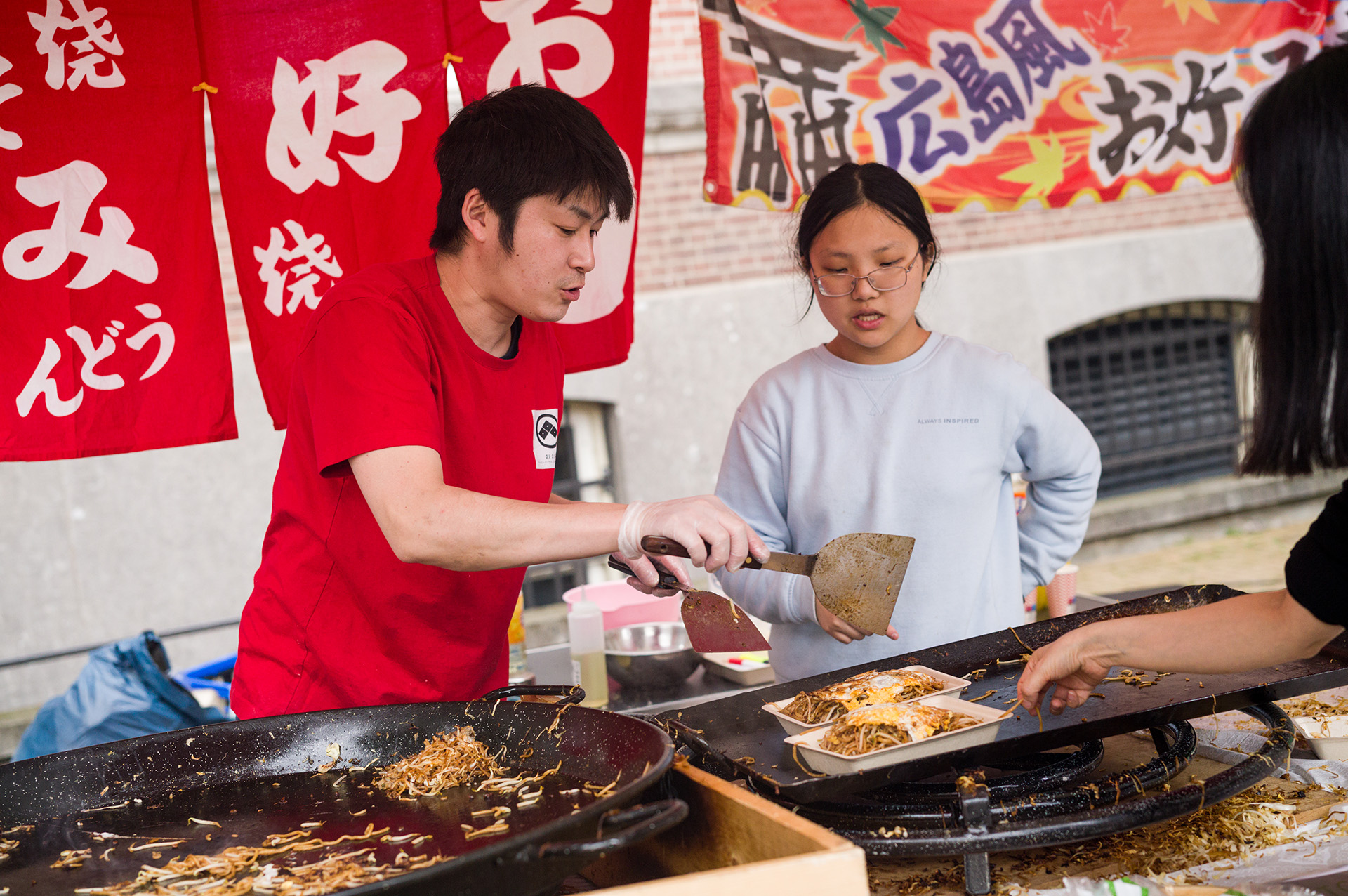
At the market during the Hanami Festival, you can enjoy Japanese delicacies such as okonomiyaki, bowls, mochi and matcha-inspired treats, and discover a wide range of Japanese teas and different types of matcha. You will also find non-food items, including unique Japanese pottery, ceramics and lacquerware, as well as wishing stones, Japanese incense and mizuhiki accessories. Fashion lovers can browse stalls featuring beautiful kimono and other distinctive Japanese items.
10:00–17:00 | Outdoor area | No museum admission required
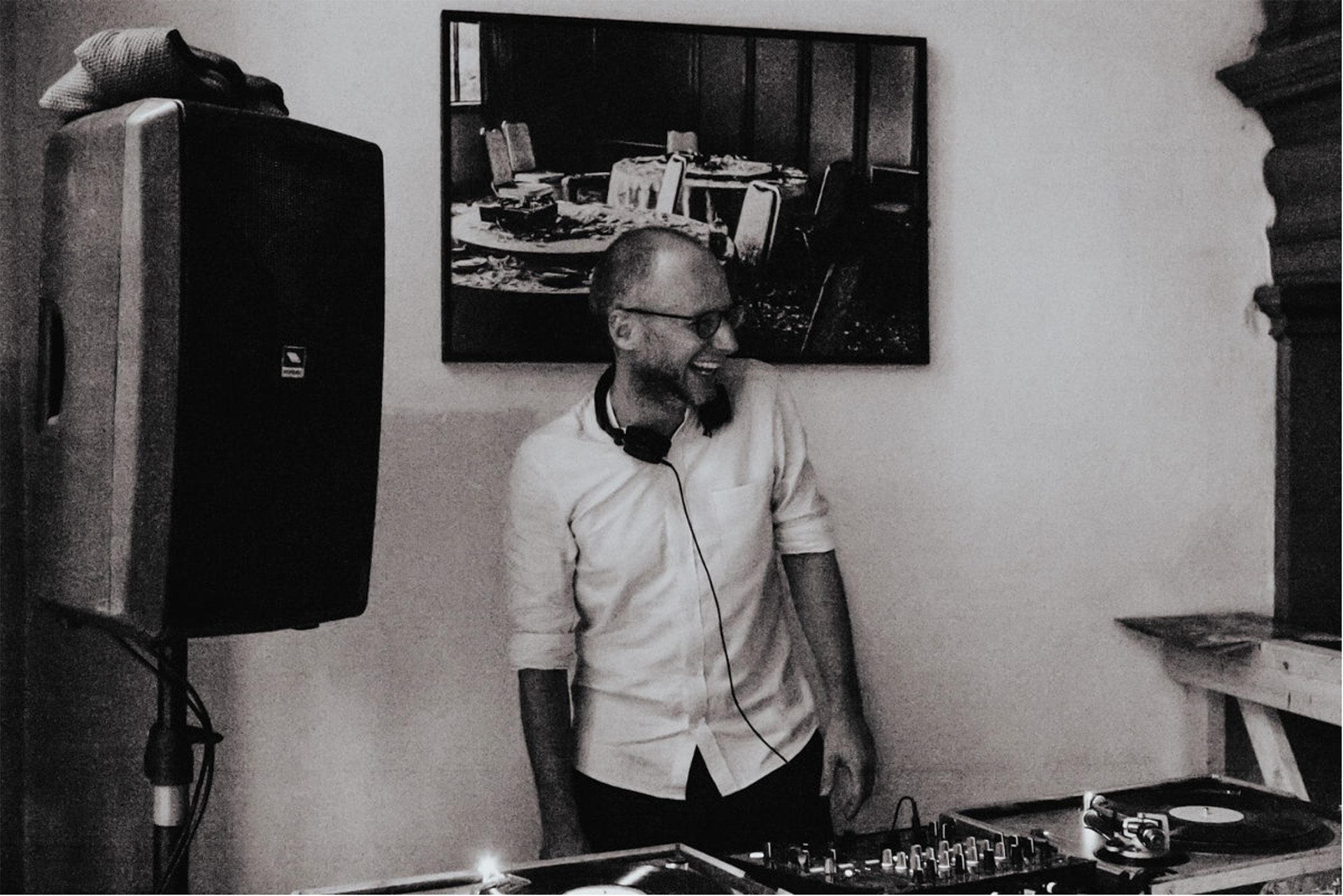
DJ Yuki Hoshi plays exclusively Japanese vinyl. Yuki means snow. Hoshi means star. Snowstar Records label manager Cedric Muyres began sharing his collection of undiscovered Japanese gems and city pop hits on Stranded FM Utrecht during lockdown. Festivals such as Best Kept Secret and Camera Japan soon followed.
13:00–17:00 | Outdoor area | No museum admission required
Kirigami is the Japanese art of cutting and folding. While origami is limited to folding, kirigami opens up the paper through carefully placed cuts. This creates three-dimensional forms that emerge from the flat surface of the paper. During this workshop, you will create a beautiful cherry blossom branch, with each flower brought to life through precision and care. Step by step, an elegant branch full of blossoms will take shape.
11:00–16:30 | Workshop space | Continuous, you can join if space is available | Ages 8+ or ages 6+ with adult supervision | Free
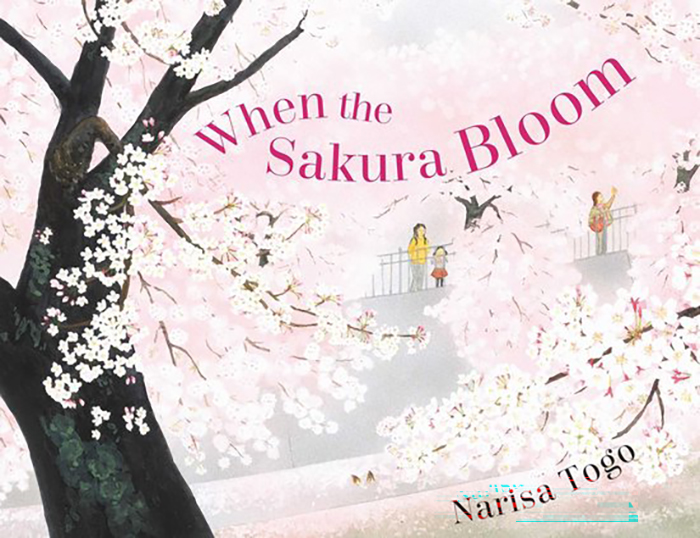
Join this special reading moment from the beautifully illustrated picture book When the Sakura Bloom. This warm and contemplative story about the beauty of cherry blossom is told through a kamishibai: a storytelling frame in which images appear as you listen. Japanese storytellers once travelled by bicycle with these to entertain audiences of all ages.
12:00–12:15
14:15–14:30
15:45–16:00
Japan Gallery | You can join if space is available | All ages | Free
By Hiroshi Sakai
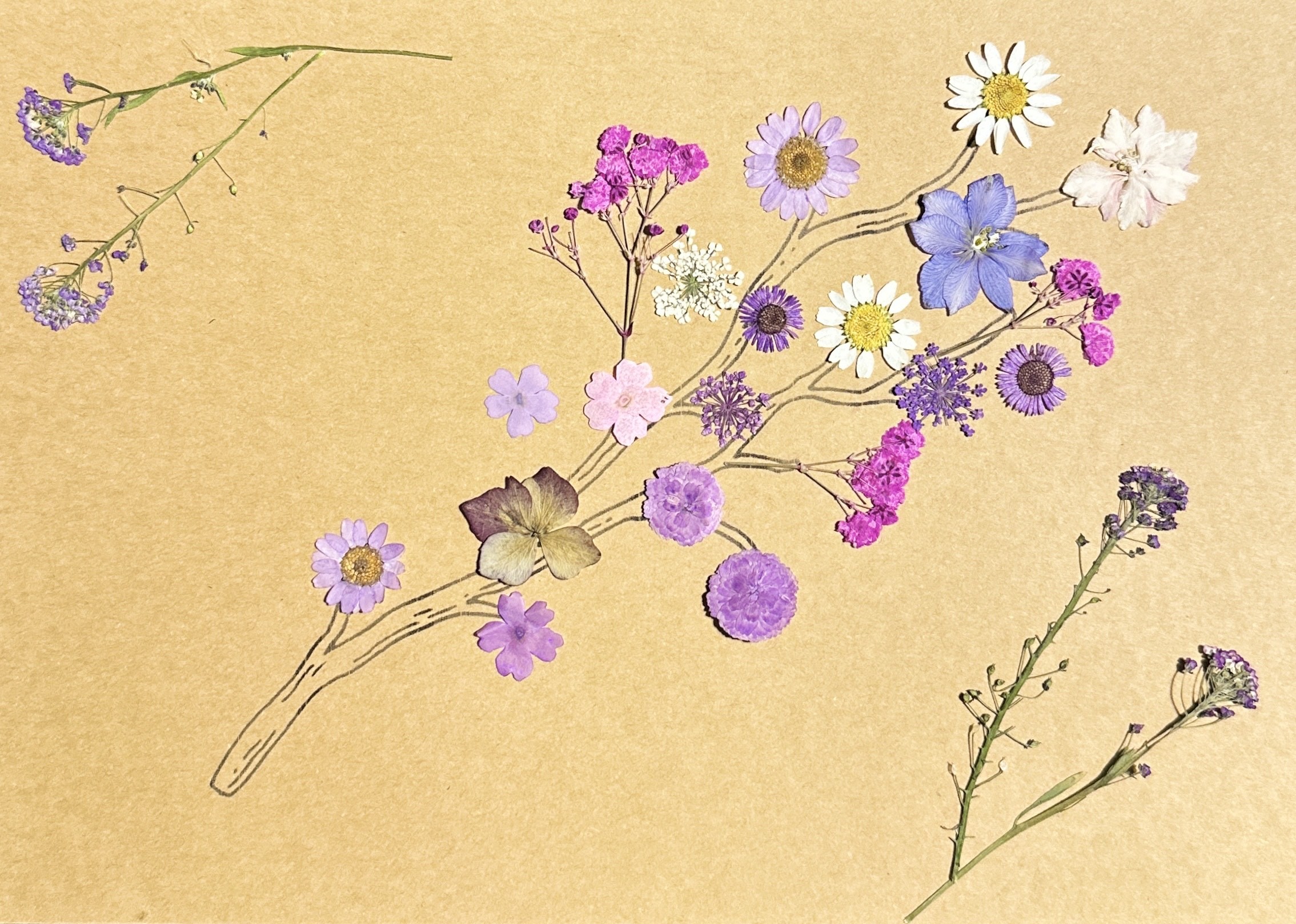
During this workshop, you will discover Oshibana, a special Japanese art form using real flowers. The flowers are first dried and pressed so they can be preserved for a long time. “Oshi” means pressing and “Bana” means flower. Using these flowers, you will create your own artwork inspired by your imagination and the Sakura (cherry blossom) theme. Step by step, you will create a cheerful and colourful floral artwork to be proud of.
12:30–13:15 | Studio I Maximum 20 participants | Ages 8+ or ages 6+ with adult supervision | English-language | Ticket required | Price: €2.50
By Hiroshi Sakai
Discover Oshibana, a refined Japanese art form in which real flowers are dried and pressed to preserve their beauty over time. The name Oshibana comes from the Japanese words “Oshi” (pressing) and “Bana” (flower). The result is a refined and personal artwork created with natural materials. In this workshop for adults, you will work with pressed flowers and create a laminated floral artwork.
13:45–14:45 | Studio | Maximum 20 participants | Adults | English-language
A museum educator will guide you past the ever-blooming blossoms and flowers in the museum’s collection. Flowers and plants often carry symbolic or medicinal meanings. You will discover this and much more during this special Hanami-themed guided tour.
12:30–13:15
14:45–15:30
Meet in the entrance hall | Maximum 15 participants | Adults | Free
By Haiku Kern Leiden
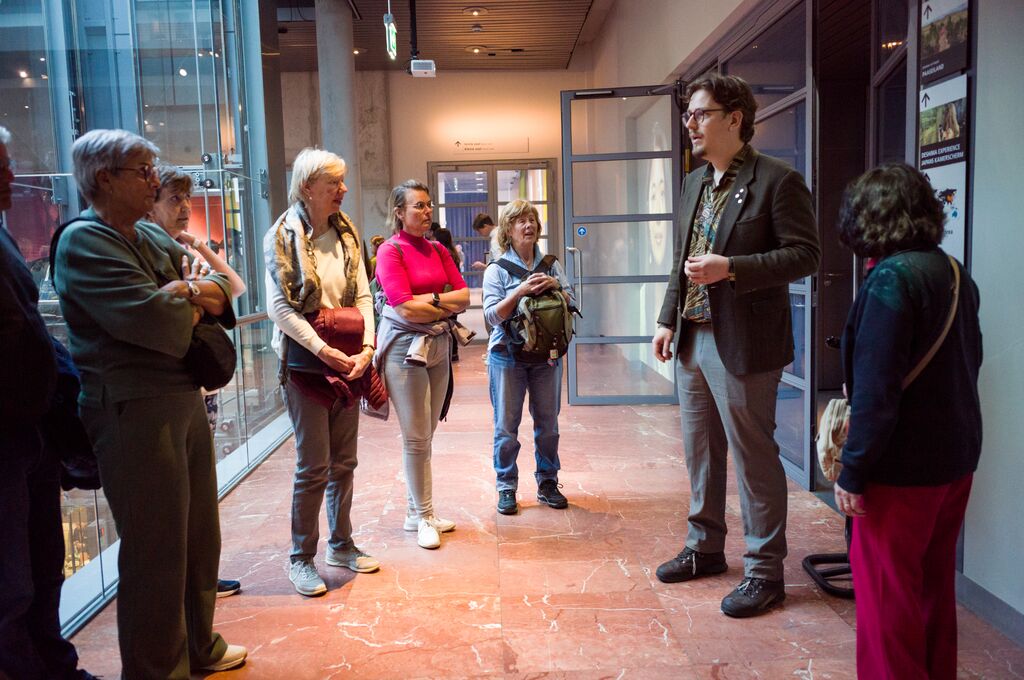
Join the haiku workshop and discover the Japanese way of poetry. Brief yet powerful, a haiku consists of just three lines. The first and third lines contain five syllables, and the second line contains seven. Haiku experts from Haiku Kern Leiden will guide you in composing your poem. Be inspired by the sakura at the museum and create your own haiku.
15:15–16:15 | Kleine zaal | 20 participants | Adults | Ticket required | Price: €2.50

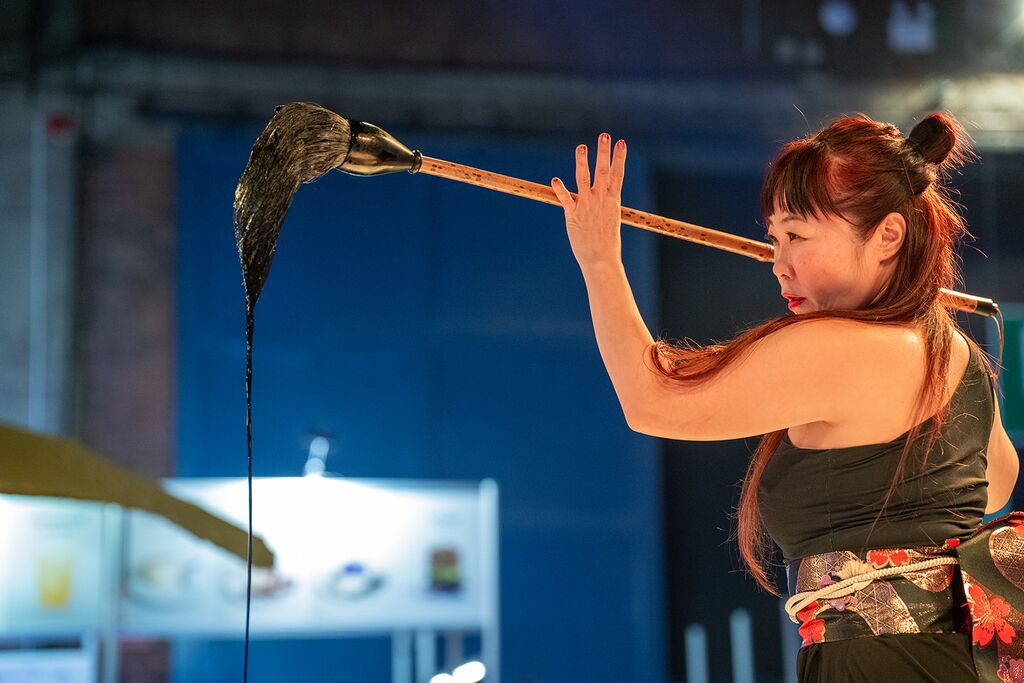
Lanka is a calligraphy artist whose live performances explore the roots of the Japanese spirit through movement, ink and impermanence. Calligraphy is more than writing – it is movement, breath and reflection. As the ink flows, Lanka invites you not only to observe the character, but also the rhythm, the silence and the moment we share. During Hanami, her art takes on special meaning. Like cherry blossoms, Lanka’s work emerges in the moment and then disappears, making each performance unique and temporary.
15:00–15:15 | Outdoor area | You can join if space is available | All ages | Free
By Noriko van Lit-Suzuki
Ikebana in Holland
Ikebana Ohara School
Ikebana is the traditional Japanese art of flower arrangement that highlights the beauty of flowers. This art form has a history of over 600 years in Japan. In Ikebana, great care is given to the composition. Each flower and stem is thoughtfully considered to create perfect balance within the arrangement.
There are different Ikebana schools (styles), each with its own rules and guidance for composition. In this workshop, you will create an arrangement following the principles of the Ikebana Ohara School. You may take your flowers home afterwards.
10:30–11:30 | Studio | Maximum 16 participants | Ages 15+
Given by: Haiku Kern Leiden
During this creative workshop, you will combine art and poetry in a fun and playful way. You choose a haiku that you find beautiful, funny, or special. A haiku is a short poem of three lines. It uses only a few words, but often says a lot.
Next, you will paint the haiku on a fan. Using acrylic paint, you will turn words into colors and images. What do you imagine when you read the haiku? At the end, you will go home with a beautiful handmade fan that is not only decorative, but also shows your own imagination.
14:15–15:00 | Kleine zaal | Max. 15 participants | Children aged 8 and up
Director: Lucy Walker
In the areas most heavily affected by Japan’s recent tsunami, survivors find the courage to recover and rebuild just as the cherry blossoms begin to bloom. A mesmerizing visual poem about the transience of life and the healing power of Japan’s most beloved blossom.
Winner of the Non-Fiction Short Film Grand Jury Prize at the Sundance Film Festival.
Watch the trailer: https://youtu.be/Rr5cY2DV8ts
16:00–16:39 | Duration: 39 minutes | Grote zaal | Join if space is available | Max. 125 participants | Adults | Price: Free
By: Luk van Haute
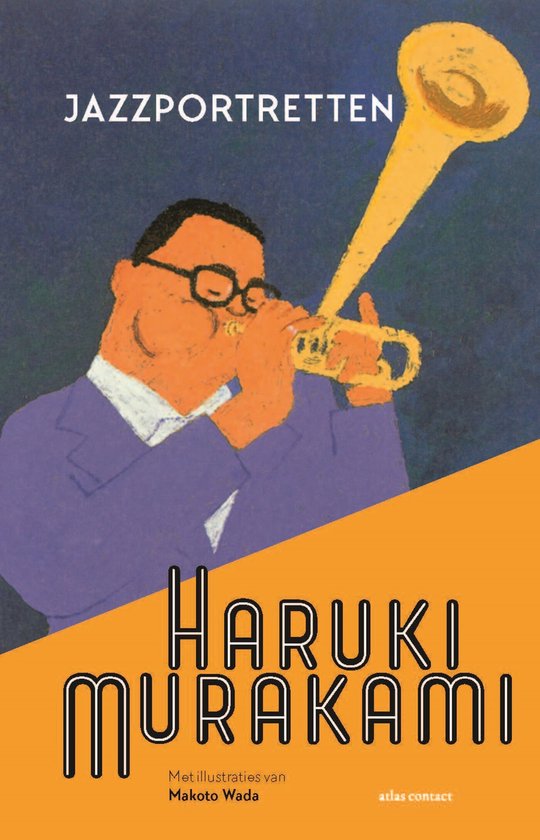
In his collection Jazz Portraits, Murakami writes with infectious enthusiasm about the music that shaped him. He shares delightful anecdotes and recalls memories of intimate clubs and memorable performances, with his love for jazz as the common thread. Luk van Haute translated the book and will talk about it. Afterward, Luk will be in the museum shop to sign books.
14:45–15:45 | Grote zaal | max. 125 participants | You can join if space is available | Adults
Book signing at 16:00 at the Entrance Desk
By: Senyumeji Nishikawa
During this workshop you will be introduced to the basics of the Japanese dance form Nihon Buyo. You will learn several simple movements, posture, and expression under the guidance of Senyumeji Nishikawa. You will also discover how stories and emotions are expressed through the body in Japanese dance.
Senyumeji Nishikawa joined the main family of the Nishikawa school at the age of six. At thirteen she received the name of successor, and at twenty-one she became a master. She graduated from the Japanese Dance program at the Faculty of Arts of Nihon University and moved to Germany in 2005.
11:50–12:30 | Kleine zaal | max. 24 participants | Adults | Ticket required | Price: €5.00

The Wereldtuin in Leiden is transforming into a place where cultures, plants, and stories meet. During Hanami this is already visible, and the ambition is to create similar connections around other plants, cultures, and stories in the garden. In this presentation, Managing Director Marieke van Bommel will take you through the vision behind the Wereldtuin and the changes that come with it.
11:00–11:30 | Grote zaal | max. 125 participants | You can join if space is available | Adults | Free
Join the Sanshoku Dango (三色団子) workshop and experience a piece of Japanese spring tradition. Hanami dango is a classic sweet treat made of pink, white, and green rice dumplings on a skewer, enjoyed since the Edo period during cherry blossom season. The flavor is delicately sweet and refined, with a soft, mochi-like texture: pink is subtly fruity (strawberry or sakura), white is mild and pure, and green has a gentle earthy taste from matcha or yomogi.
In this workshop, you'll make your own green matcha dango, pairing it with whipped cream and fresh strawberry for a colorful and delightful combination.
15:45–16:30 | Atelier | Max. 20 participants | Adults | Ticket required | Price: €5.00

During this performance, Senyumeji Nishikawa will perform, a master of the Nishikawa school of Nihon Buyo. The term Nihon Buyo literally means “Japanese dance” but refers to several specific dance genres performed in the theater, such as Kabuki dance. This dance originated about 400 years ago during the Edo period and is unique to Japan. Senyumeji Nishikawa studied at Nihon University and has been teaching Japanese dance and kimono dressing in Frankfurt since 2015. In her dance, she tells stories and expresses emotions such as joy, anger, sorrow, and pleasure.
13:45–14:05 | Grote Zaal | Entry if space is available | Max. 125 participants | Adults | Free
By: Noriko van Lit-Suzuki
Ikebana is the traditional Japanese art of flower arranging, with a history of over 600 years. In this art form, harmony between flowers, branches, space, and form is central.
During this demonstration, Noriko van Lit-Suzuki will show step by step how an Ikebana arrangement is created according to the principles of the Ohara school, a style known for its natural and balanced compositions.
12:30–13:00 | Grote zaal | Join if space is available | max. 80 participants | adults | free