
July 11, 2026

On Saturday 11 July, Wereldmuseum Leiden will celebrate Matariki, the Māori New Year. Matariki is the Māori name for a cluster of seven stars whose appearance in the skies above Aotearoa New Zealand signals the beginning of a new year. Their return marks a special time of reflection, connection and renewal—a moment to honour the past, celebrate the present and look ahead to the future.
Indoor activities are accessible with a museum ticket; outdoor activities are free of charge.
During this festive day, visitors can discover the rich culture, stories and traditions of the Māori people of Aotearoa New Zealand. Enjoy lectures and guided tours, listen to stories about the stars of Matariki, make your own poi ball, learn the powerful haka and explore the significance of the waka, the traditional canoe that plays a central role in Māori culture. On the museum grounds, you can even experience paddling in a waka or join a land-based paddling workshop.
The day begins with a traditional pōwhiri, a Māori welcoming ceremony featuring speeches, songs and cultural rituals. Throughout the day, a wide range of activities for all ages will offer opportunities to learn, participate and connect, making Matariki a memorable experience for families, members of the Māori and Kiwi communities, and anyone interested in Māori culture and heritage.
Come together to celebrate, learn and connect during this unique celebration of the Māori New Year.
Practical information
| Date | Saturday 11 July 2026 |
| Time | 11:00 am – 5:00 pm |
| Location | Wereldmuseum Leiden, route |
| Admission | Indoor activities are included with museum admission; outdoor activities are free to attend |
| For who | All ages, with a special welcome to families, Māori, Kiwis and anyone interested in Māori culture |
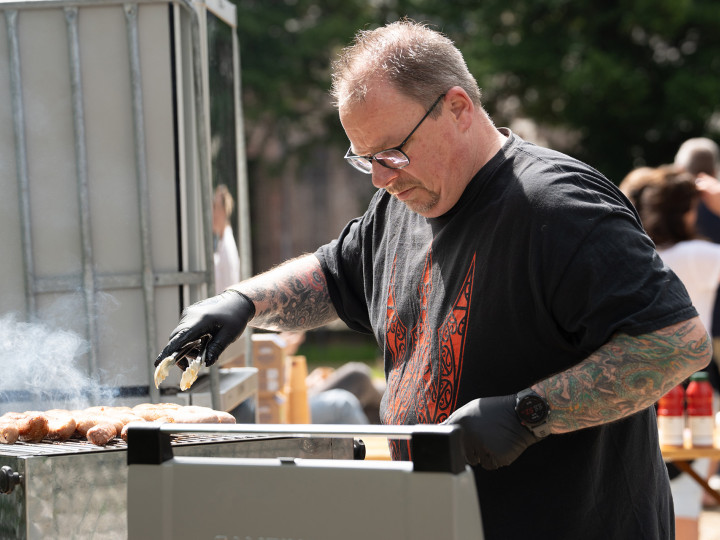
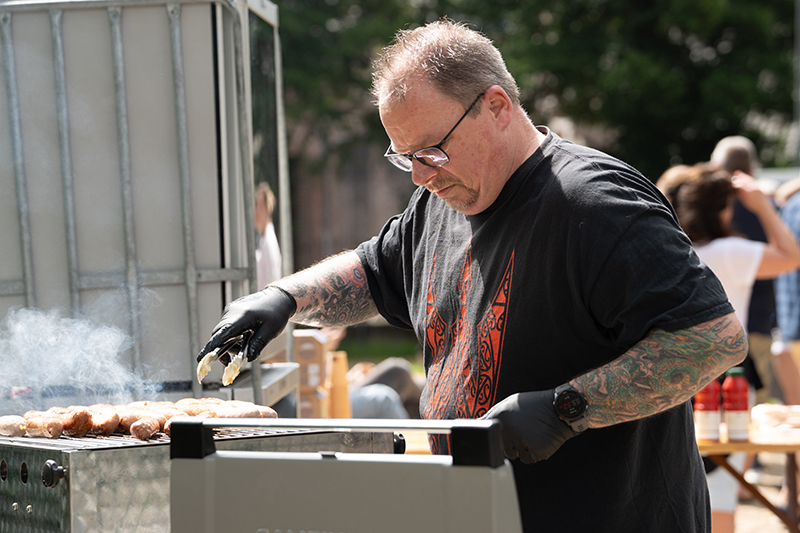
Matariki begins with the ceremonial Powhiri. A pōwhiri is a Māori welcoming ceremony consisting of speeches, cultural performances, singing and, finally, the hongi (pressing noses together), through which the life force (mauri) is shared. The ceremony concludes with kai (food). This is often hāngī: food traditionally steamed in the earth, but in this case there is a barbecue. The ceremony itself is for invited guests. However, it is possible to watch the ceremony.
11 July
Times 11:00 – 12:00
Museum garden, boathouse
Matariki, the name for the stars of the Pleiades that appear in the sky around the start of winter in the southern hemisphere, heralds the start of the new year. It was, and still is, a time to come together and celebrate. Since 2022, it has been an official public holiday in New Zealand. Oceania Curator, Wonu Veys, talks about the origins of this festival and how it has been celebrated over time.
Main Hall
14:15–15:15
Max 125 participants
Seating is subject to availability, Ages 10 and over
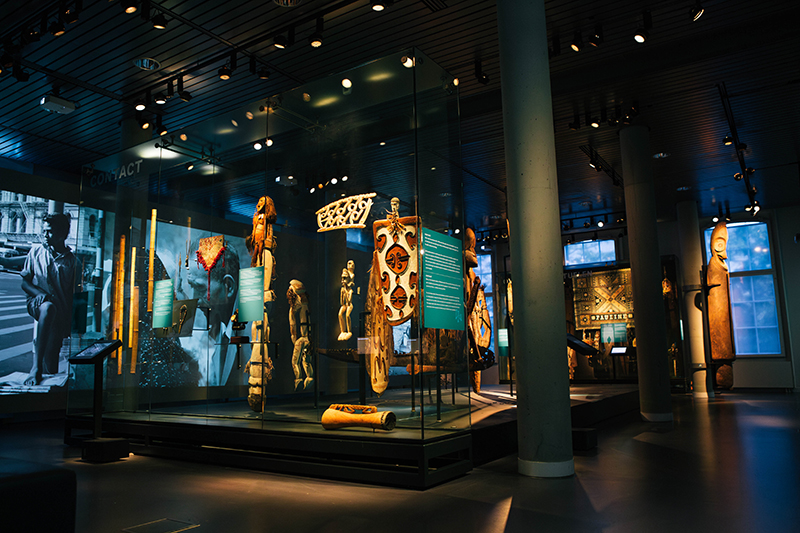
During this guided tour, the Curator of Oceania, Wonu Veys, will discuss the dynamics of Māori culture and the wealth of artefacts on display. Aspects such as contemporary Māori identity, tattooing, and boat building and sailing will be highlighted in the Oceania Gallery.
Oceania exposition
13:00–13:35
You can join if there is space
Ages 10 and over
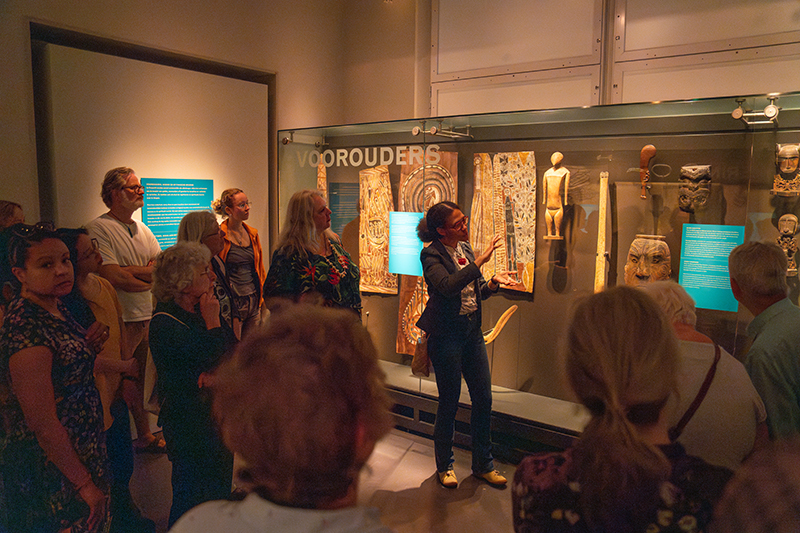
Come and listen to a story about Matariki, the Maori New Year. Matariki begins when a group of seven stars appears in the sky. In the story, Kiwi and his friends introduce you to the Maori names of these seven stars.
Boothuis
13:30–13:45
14:30–14:45
15:30–15:45
You can join in if there is space , all ages
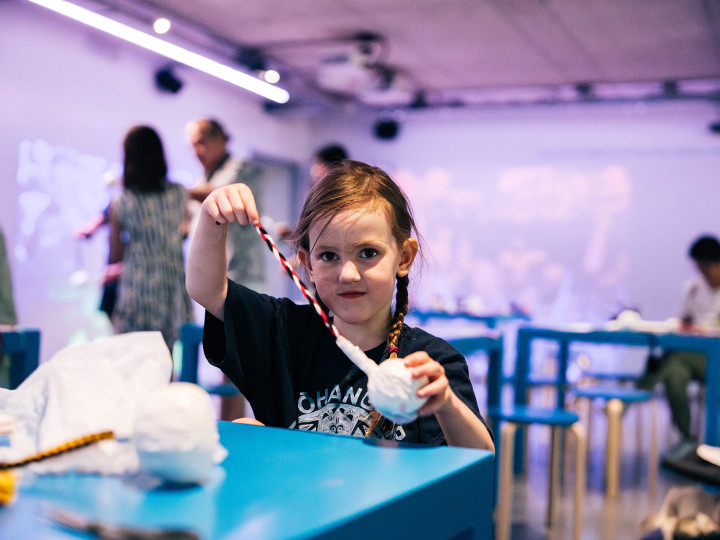
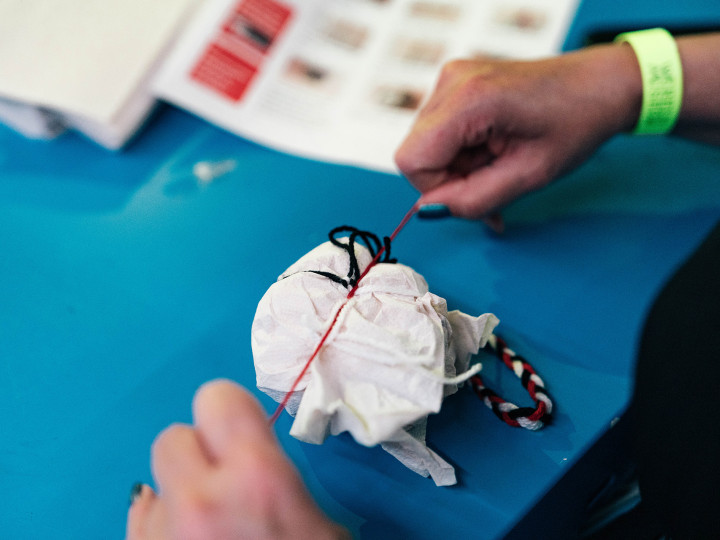
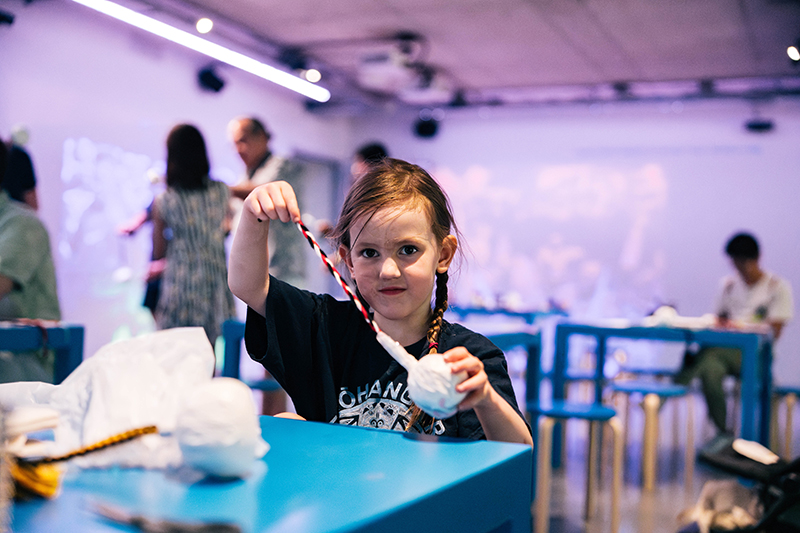
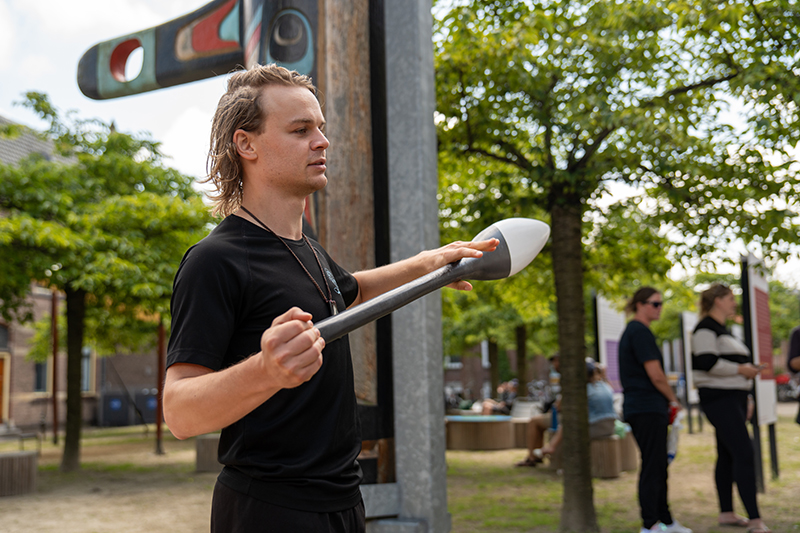
To keep their wrists supple, Māori from New Zealand practise with poi balls. Poi balls are a kind of juggling ball on a string, made from paper and other materials, used to perform the poi dance. Under the guidance of a museum educator, you’ll make your own poi ball, after which you can join the poi dance workshop. Here you’ll learn all the tricks and moves for using the poi balls.
12:00 to 16:00 | doors open until 15:30.
Workshop, Ages 6 and up
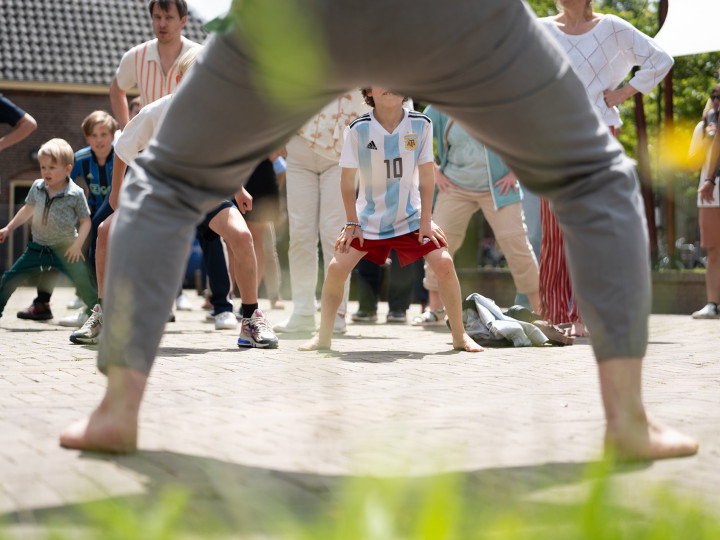
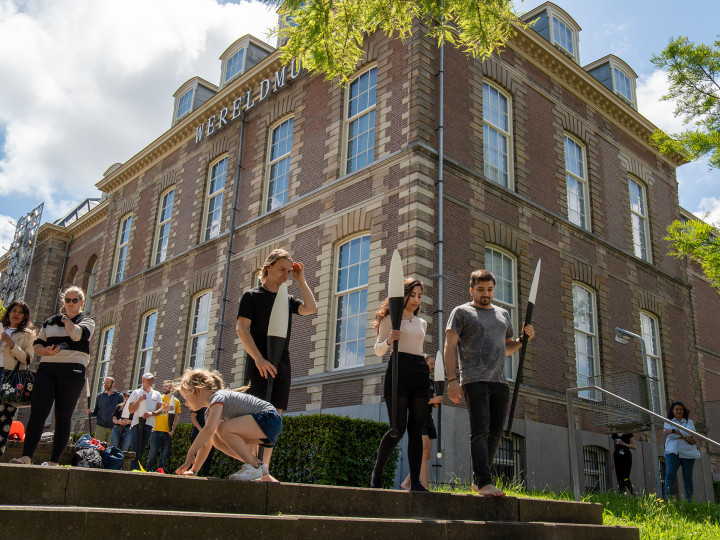
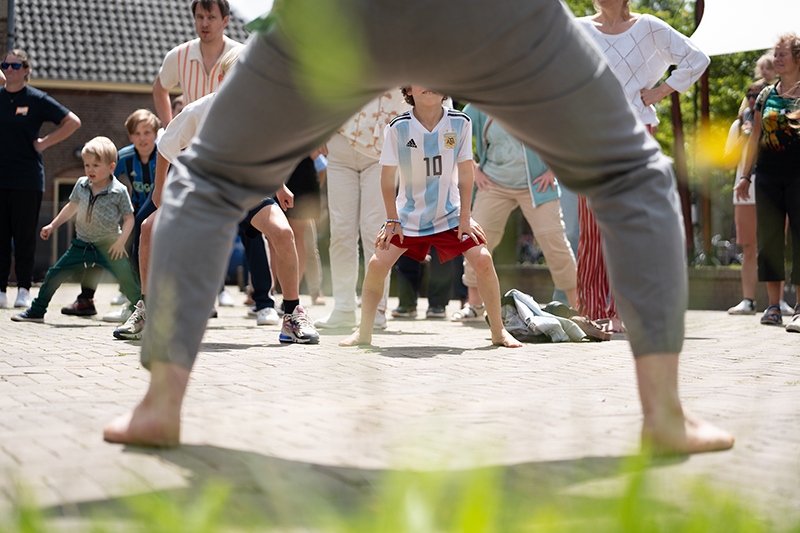
The impressive Māori Haka is a combination of words, song and dance, featuring stamping feet, rolling eyes and sticking out the tongue. You’ll learn how to do this and what it means during this workshop.
13:00–13:30
14:00–14:30
15:00–15:30
Museum garden, meet outside by the cherry trees, ages 6 and up.
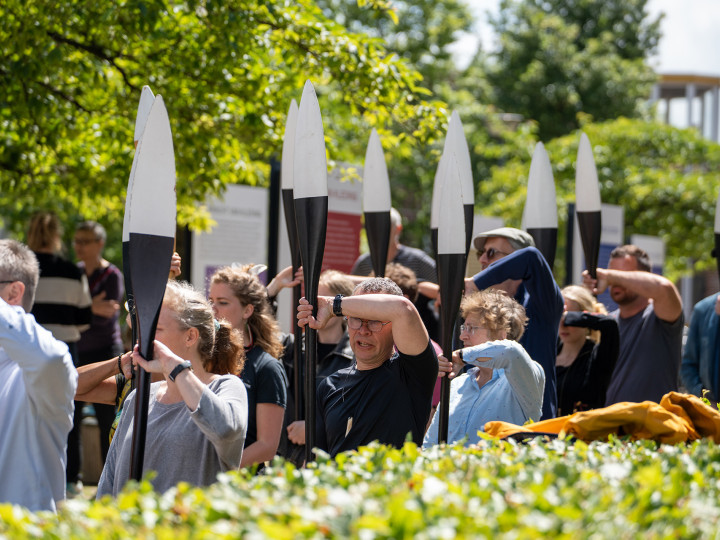
This day offers everyone a unique chance to sail in a waka! The waka is the quintessential symbol of Maori identity. The sea inspired the people to develop ingenious navigation techniques and efficient canoes. According to tradition, their ancestors travelled to New Zealand for the first time in seven waka. Each group knows exactly which waka their ancestors arrived in. The waka therefore plays an important role in the lives of many Māori. Nowadays, many family groups still have their own waka, which they use for special occasions. The waka club of the Njord student association will hold a waka paddling workshop on land, after which participants can take a ride in the waka.
Continuous sessions between 13:00–16:30
Subject to availability
All ages
Swimming certificate required
Museum grounds
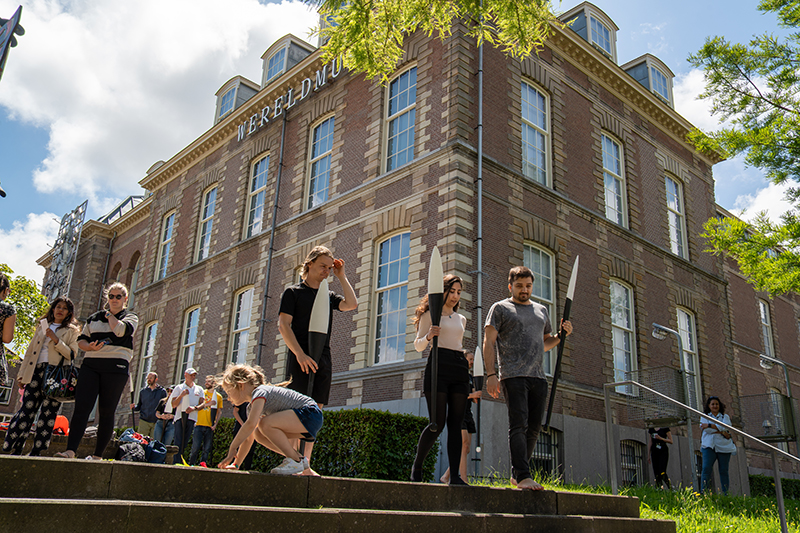
Don’t have a swimming certificate yet, but want to learn how to paddle a waka? Then you can take part in the dry paddling workshop. On dry land, but right by the water.
Continuous from 13:00–16:00
Subject to availability
All ages
Museum garden

The waka is the pre-eminent symbol of Maori identity.

When the Māori populated New Zealand or Aotearoa about 800 year

The Waka Support Foundation (WSF) supports the volunteer group providing traditional Māori canoes in the